- Client-centered approach
- CBT techniques
- Disaster recovery support
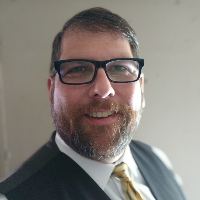
About Brian
Brian Adams is a Licensed Professional Counselor (LPC) with 11 years of counseling experience and more than two decades in mental health work. He helps people who are feeling overwhelmed by stress, anxiety, depression, grief, anger, low self-esteem, bipolar symptoms, ADHD, and major life changes. He also offers support for those coping after natural or human-caused disasters.
Brian’s style is steady and non-directive. He listens first and helps people find their own path forward. He avoids lecturing and instead offers challenges to unhelpful thoughts in a respectful way.
In sessions he blends client-centered methods with cognitive behavioral techniques. That mix helps people increase self-awareness and then practice different ways of thinking and behaving. He focuses on the person, not just a diagnosis.
People often come in unsure how to begin feeling better. Brian works in plain language and sets small, realistic steps. He aims to help people recognize patterns, adjust thoughts that get in the way, and build more effective day-to-day habits.
Brian practices in Texas and offers help in English. He asks prospective clients to use the Start Therapy button to complete a short matching questionnaire and schedule according to his availability. The therapy subscription can be canceled at any time.
How Brian’s approaches translate to online work
Client-Centered Therapy focuses on listening, acceptance, and supporting a person to find their own solutions. It’s about creating space for someone to speak and be heard while the therapist reflects and helps clarify goals.Cognitive Behavioral Therapy, or CBT, looks at how thoughts, feelings, and actions connect. It uses practical exercises and small homework steps to test and change unhelpful thinking patterns that fuel anxiety, depression, and stress.
Finding the right approach is part of the work. Brian collaborates with each person to decide whether client-centered support, CBT, or a blend is best for their concerns and goals. He adjusts methods as needs and priorities change.
Online therapy can make it easier to fit sessions into a busy life. It can reduce travel time, allow shorter check-ins when schedules are tight, and let people meet from familiar surroundings that help them focus. Because specific session formats are not listed here, confirm which online options are available before booking. A conversation about goals and logistics is the usual first step to make sure sessions will fit into everyday routines.
Areas of expertise
Primary focus
Also works with
Additional focus areas
Therapeutic approaches
Experience
11+ years
Credentials
Texas, Arkansas
Languages
English
Frequently asked questions
What kinds of concerns does he help with?
He works with stress, anxiety, depression, grief, anger, self-esteem struggles, bipolar symptoms, ADHD, and coping with life changes including responses to natural or human-caused disasters.
What is his therapeutic style like?
His style is gentle and non-directive; he listens and guides rather than lectures. He will respectfully challenge unhelpful thoughts while keeping the conversation collaborative.
How much experience does he have?
He has 11 years of counseling experience and over 20 years working in mental health settings.
What credentials and region are listed?
He holds the LPC credential and is licensed in Arkansas and Texas, and he practices in Texas.
Which languages are supported and can international clients join?
Sessions are offered in English and international clients are not currently accepted.
What session formats are available?
Specific session formats are not listed here; please confirm the current session options before booking.
How are fees handled?
Cost varies with location and therapist availability; sessions use a subscription model that can be canceled at any time.
How do I begin working together?
Select the Start Therapy button, complete the short matching questionnaire, and then schedule according to the therapist's availability.