- Practical coping strategies
- Nonjudgmental listening
- Focus on daily life
About Kim
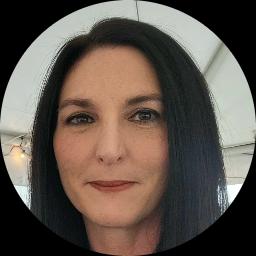
Kim Kavanshansky is a licensed clinical social worker with 18 years of experience in Pennsylvania. She helps people navigate stress, anxiety, grief, depression, and relationship challenges. She also supports those coping with chronic health issues and trauma-related emotional difficulties. Her approach centers on creating a calm, nonjudgmental space where people can speak openly and be heard.
Kim aims to help people make practical changes that improve daily life. She listens first, then works with each person to set clear, manageable goals. Sessions focus on understanding what is causing strain and finding steps to reduce it. She emphasizes realistic strategies that fit into a person’s routine.
Her background includes long-term practice with clients facing chronic pain, illness, and caregiving stress. She has helped people dealing with compassion fatigue, addiction concerns, and life transitions such as divorce or loss. First responder issues and challenges linked to aging or blended families are also within her experience.
Kim uses evidence-based therapeutic techniques tailored to each person’s needs. She encourages straightforward conversation about difficult feelings and helps clients build coping skills. The aim is to restore functioning, reduce overwhelm, and increase a sense of control over daily life.
People who come to Kim can expect a collaborative tone. She supports parents working through parenting strain and individuals addressing ADHD, bipolar mood concerns, or career stress. She also offers guidance for those affected by natural or human-caused disaster recovery and its emotional impact.
How evidence-based techniques translate to online support
Many clients benefit from approaches that teach skills and change unhelpful patterns. One common evidence-based technique focuses on building coping skills that reduce worry and increase day-to-day functioning. It involves learning specific strategies to manage stress, structure routines, and break larger problems into smaller steps that feel manageable.Another helpful approach targets processing difficult experiences and trauma through gradual, focused conversation. This method helps people make sense of painful events, reduce their emotional intensity, and develop ways to move forward that feel safer and more controlled.
Finding the right approach is a collaborative process. The therapist will listen to a person’s goals and preferences, then suggest methods that fit those aims. Together they will try techniques, check what helps, and adjust the plan as needed so the work feels useful and realistic.
Practical benefits of online therapy include fitting sessions into a busy life and keeping appointments that might otherwise be missed. Online care can make it easier to schedule a shorter check-in during a work break or avoid travel time for routine visits. Because session formats are not specified in the biography, confirm current options before booking to know what is offered and what will best fit daily routines.
Areas of expertise
Primary focus
Also works with
Additional focus areas
Experience
18+ years
Credentials
Pennsylvania
Languages
English
Frequently asked questions
What concerns does Kim commonly help with?
Kim helps people with stress, anxiety, grief, depression, relationship challenges, and compassion fatigue, among other concerns. She also supports those coping with chronic illness, caregiving stress, addiction issues, and coping with natural or human-caused disaster effects.
What is her therapeutic style like?
Her style is direct and collaborative, focusing on listening first and then setting clear, manageable goals. Sessions emphasize practical coping skills and straightforward conversation about difficult feelings.
How much clinical experience does she have?
She has 18 years of professional experience working with people facing emotional and health-related challenges. That experience includes long-term work with trauma and chronic physical health concerns.
Where is she licensed and based?
She is a licensed clinical social worker (LCSW) practicing in Pennsylvania. Sessions and services are provided from that location.
Which languages are supported for sessions?
Sessions are offered in English.
Can she work with people outside the United States?
She is not currently accepting international clients.
How are sessions arranged and what formats are available?
The original biography does not specify session formats, so please confirm current session options before booking. Reach out through the Start Therapy flow to learn which formats are offered.
How are fees and scheduling handled?
Cost varies with location and therapist availability and sessions use a subscription that can be canceled at any time. To begin, select the Start Therapy button and complete a short matching questionnaire, then schedule according to therapist availability.