- Values centered
- Skill focused
- Strengths based
About Patricia
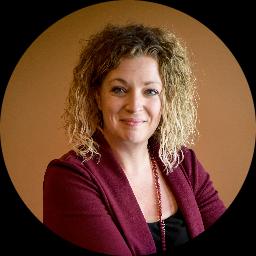
Patricia Presley is a licensed clinical social worker with five years of practice. She focuses on stress, anxiety, grief, self-esteem, depression, and life changes. Patricia encourages people to use their own strengths as they work toward a more satisfying life.
She listens without judgment and centers the conversation on each person’s priorities. Sessions emphasize practical steps and small changes that add up over time. Patricia frames difficult feelings as things to notice and respond to rather than problems to be erased overnight.
Her work draws on Cognitive Behavioral Therapy, Acceptance and Commitment Therapy, and client-centered listening. These approaches are used to build skills for managing anxiety, coping with loss, and improving motivation and confidence. She also uses ideas from Dialectical Behavior Therapy when emotional regulation or stress tolerance is helpful.
Patricia has experience with issues across relationships, work, and life stage transitions. She also addresses concerns like caregiver stress, aging and geriatric issues, first responder challenges, and coping with natural or human-caused disaster. Conversations can include practical planning, problem solving, and attention to values and meaning.
Clients should expect a collaborative pace. Patricia will help identify goals and test small strategies between sessions. She describes therapy as a process that asks for courage, regular effort, and steady support.
How therapy approaches shape online sessions
Patricia uses Cognitive Behavioral Therapy to help people notice thoughts and try new behaviors. CBT is practical and often focuses on small experiments to reduce anxiety or lift mood.She also draws on Acceptance and Commitment Therapy, which centers on values and making room for difficult feelings while moving toward what matters. ACT can be useful for coping with loss, life changes, and ongoing stress.
Finding the right approach is a joint process. Patricia will talk with each person about goals and preferences, then suggest strategies to try. Clients and the therapist adjust methods over time based on what helps most.
Confirm the available session formats before booking so you know which options are offered. Online care can make it easier to fit therapy into a busy day, reduce travel time, and allow shorter check-ins when schedules demand them. It can also let people use video or audio depending on bandwidth or comfort with being on camera. Ask about specific formats when you schedule to match sessions to your routine and needs.
Areas of expertise
Also works with
Additional focus areas
Therapeutic approaches
Experience
5+ years
Credentials
Missouri, Illinois
Languages
English
Frequently asked questions
What concerns does Patricia help with?
She addresses stress, anxiety, grief, low self-esteem, depression, addictions, relationship and career concerns, and coping with life changes.
How would you describe her therapeutic style?
Her style is collaborative and down-to-earth, combining listening with practical skill building and small, testable steps between sessions.
What is her professional background?
Patricia holds the LCSW credential and has five years of clinical experience working with a range of mental health concerns.
Where is Patricia licensed to practice?
She is licensed as an LCSW in Illinois and Missouri and is based in Illinois.
Which languages are supported for sessions?
Sessions are offered in English.
Can people outside the United States work with her?
She does not accept international clients at this time.
How are sessions scheduled and what do they cost?
Cost varies with location and therapist availability; sessions use a subscription that can be canceled at any time.
How do I begin the process of working with her?
Click the Start Therapy button, complete a short matching questionnaire, and schedule according to therapist availability.