- Client-centered care
- Practical coping skills
- Faith-informed option
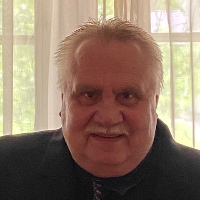
About Scott
Scott Heise is a Licensed Clinical Professional Counselor (LCPC) practicing in Illinois with 14 years of experience. He trained in counseling psychology and has spent much of his career in community mental health settings. He helps people facing stress, anxiety, depression, substance use problems, grief, trauma, and other hard life moments.
He uses a practical, empathetic style that focuses on client goals. Sessions aim to identify clear steps forward and build skills for managing mood, sleep, and stress. He also offers a Christian perspective when requested, and may include prayer or faith-based reflection for those who want it.
His work often blends client-centered listening with structured techniques. Cognitive Behavioral Therapy and Dialectical Behavior Therapy are used to change unhelpful thinking and build coping skills. Mindfulness and existential ideas help people find meaning and stay present.
Scott has supported people with bipolar disorder, ADHD, trauma and abuse, addictions, anger, and parenting stress. He also helps with long-term issues such as chronic illness, caregiver strain, and family of origin struggles. He aims to create a warm, nonjudgmental space where clients can speak honestly.
Sessions focus on clear goals, practical tools, and gradual progress. People leave with concrete strategies for sleep, emotion regulation, communication, and everyday coping. He invites clients who want a collaborative, goal-oriented approach to consider working together.
How his approaches translate to online work
Client-Centered Therapy focuses on listening closely and following the client's lead. It helps people feel heard, clarify goals, and build momentum toward change. Cognitive Behavioral Therapy (CBT) breaks problems into thoughts, feelings, and actions and teaches practical skills to shift unhelpful patterns; it is often used for anxiety, depression, sleep issues, and anger. Dialectical Behavior Therapy (DBT) offers concrete skills for emotion regulation, distress tolerance, and better communication, which can help with intense emotions and impulsive behavior.Finding the right approach is a collaborative process. The therapist will work with the client to choose which methods fit their needs and goals. Sessions can mix listening, skill practice, homework, and values-based discussion so the plan adapts as progress is made.
Practical benefits of online therapy include easier scheduling and fitting sessions into a busy life. Confirm the specific session options before booking, since the biography does not list formats. Many people find that remote sessions reduce travel time and make regular check-ins more feasible while maintaining the same focus on goals and skills.
Areas of expertise
Primary focus
Also works with
Additional focus areas
Therapeutic approaches
Experience
14+ years
Credentials
Illinois
Languages
English
Frequently asked questions
What concerns does he commonly address?
He works with stress, anxiety, depression, addictions, trauma, grief, sleep problems, anger, self-esteem, career issues, bipolar disorder, ADHD, and related concerns.
How would you describe his therapeutic style?
His style is empathetic and goal oriented. He combines listening with structured techniques to set clear steps and build skills.
What kind of experience does he bring?
He has 14 years of experience, mainly in community mental health settings, working with a wide range of mood, trauma, and substance use issues.
What are his credentials and where is he located?
He holds the LCPC credential and practices in Illinois.
Which languages are supported and can international clients join?
Sessions are offered in English and international clients are not currently accepted.
What session formats are available?
Session formats are not specified in the biography; confirm current session options with the service before booking.
How does pricing work?
Cost varies with location and therapist availability; sessions use a subscription that can be canceled at any time.
How do I begin working with him?
Click the Start Therapy button, complete the short matching questionnaire, and schedule according to therapist availability.