- Client-centered care
- CBT approaches
- Trauma informed
About Susan
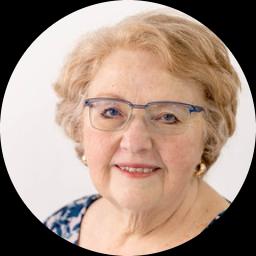
Susan Josephson is a Florida-licensed mental health counselor with 25 years of experience. She helps people who are feeling overwhelmed by stress, anxiety, grief, trauma, or changes in parenting and family life. Her style is calm and respectful, with a focus on listening and tailoring conversations to each person's needs.
She uses client-centered methods to make therapy a collaborative space where the client's voice guides the work. She also draws on cognitive behavioral therapy to help people notice patterns of thinking and try new, practical ways of coping. Sessions focus on clear steps people can use between meetings to manage symptoms and stress.
Susan has long experience supporting people through depression, addiction concerns, and challenges tied to caregiving or aging. She also addresses relationship and communication problems, ADHD, compassion fatigue, and adjustment after natural or human-caused disasters. Her approach balances emotional support with concrete skills for day-to-day life.
Conversations are tailored to the individual rather than a one-size-fits-all plan. She emphasizes respect, sensitivity, and compassion in every meeting. Susan encourages people to take small steps toward change and to build strategies that fit their routines.
To begin, prospective clients complete a short matching questionnaire and then schedule according to the therapist's availability. Susan works in English and practices in Florida as a Licensed Mental Health Counselor (LMHC).
How her approaches guide online work
Client-Centered Therapy focuses on the person in the room. It emphasizes listening, respect, and following what matters most to the client. This approach helps when someone needs emotional support and a space to make sense of difficult experiences.Cognitive Behavioral Therapy, or CBT, looks at how thoughts affect feelings and actions. It teaches simple strategies to test unhelpful thoughts and to try different behaviors that reduce anxiety, depression, or stress. CBT is useful for problems like worry, low mood, and coping after traumatic events.
Finding the right approach is part of the work together. The therapist will talk with the client about goals, preferences, and what feels useful. That collaboration helps shape which methods are used and how sessions are organized.
Session formats are not specified in the provided biography, so confirm the current options before booking. Online therapy can make it easier to fit sessions into a busy life, reduce travel time, allow shorter check-ins when needed, and offer continuity of care after a disaster or life change. Licensed professionals can help clients use these practical benefits while deciding which approach works best for their goals.
Areas of expertise
Primary focus
Also works with
Additional focus areas
Therapeutic approaches
Experience
25+ years
Credentials
Florida
Languages
English
Frequently asked questions
What kinds of problems does Susan address?
She helps people facing stress, anxiety, depression, grief, trauma and abuse, parenting concerns, addictions, and coping with life changes including natural or human-caused disasters.
How would you describe her therapeutic style?
Her style is client-centered and collaborative, focusing on listening and adapting conversations and plans to each person's needs.
What is her background and experience?
She holds 25 years of professional experience working with a wide range of mental health concerns and life transitions.
What credentials and location are listed?
She is a Licensed Mental Health Counselor, FL LMHC, and practices in Florida.
Which languages are sessions offered in?
Sessions are offered in English.
Can people outside the United States work with her?
International clients are not currently accepted.
How are sessions scheduled and what does it cost?
Cost varies with location and therapist availability; sessions use a subscription that can be canceled at any time.
How do I begin a working relationship?
Select the Start Therapy button, complete a short matching questionnaire, and then schedule according to the therapist's availability.