- Collaborative approach
- Substance recovery focus
- Skills and coaching
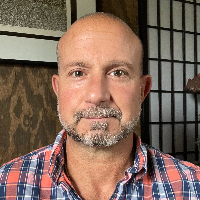
About Timothy
Timothy Welch is an Ohio Licensed Professional Clinical Counselor (LPCC) with more than two decades of clinical experience. He frames therapy as a collaborative effort and focuses on helping people move past difficult emotions and habits. Timothy encourages clients to set goals and learn practical skills that fit their daily lives.
He has a long history working with substance misuse, depression, anxiety, trauma and grief. Timothy also supports people dealing with bipolar disorder, relationship strain, parenting challenges, ADHD, and work-related stress. He combines direct counseling with coaching tools when that is helpful to a client’s plan.
Timothy’s background includes private practice, community mental health, crisis intervention, hospital work, and substance rehabilitation settings. He has also worked in shelters and hospice settings and led groups for anger management and recovery. This range gives him experience with many kinds of life upheaval and loss.
His approach centers on listening first and tailoring the work to each person’s needs. He uses client-centered methods along with cognitive and skills-based techniques to address thoughts, feelings, and behaviors. He also draws on emotion-focused and existential ideas when people want to examine meaning and values.
Timothy has a Bachelor’s degree in psychology and a Master’s degree in counseling and human development, and holds national counseling and addiction credentials in addition to his Ohio LPCC. He also offers coaching options and a support app for extra tools between sessions.
How therapeutic approaches shape online care
Client-centered therapy focuses on the person’s experience. The therapist listens closely, reflects what they hear, and helps clients name goals. This approach helps when someone needs validation and a clear plan for next steps.Cognitive Behavioral Therapy, or CBT, looks at the links between thoughts, feelings and actions. It teaches practical techniques to change unhelpful thought patterns and behaviors, which can ease anxiety, depression, and stress-related problems.
Dialectical Behavior Therapy, or DBT, emphasizes emotion regulation, distress tolerance and better interpersonal skills. It can be helpful for intense emotions, anger management, and improving communication under stress.
Finding the right approach is part of the work. The therapist will talk with the client about goals, preferences, and what feels most useful. Together they decide whether to try short-term skill work, deeper emotional processing, or a blend of methods.
Online therapy can make it simpler to fit sessions into a busy life. It can reduce travel time and let people meet from a quieter spot or during a work break. Because the biography notes a telehealth practice, confirm the currently offered session options before booking so the format meets your needs.
Areas of expertise
Also works with
Additional focus areas
Therapeutic approaches
Experience
22+ years
Credentials
Ohio
Languages
English
Frequently asked questions
What concerns does Timothy help with?
He works with stress, anxiety, depression, addictions, grief, trauma and related life changes, plus issues like ADHD, bipolar disorder, intimacy and relationship strain.
What is his general therapy style?
He practices a collaborative, client-centered style that combines listening with practical skill-building and coaching when useful.
How much clinical experience does he have?
He brings 22 years of experience from private practice, community mental health, crisis work, hospital settings, rehabilitation programs and group facilitation.
What credentials and region are listed?
He is an LPCC in Ohio and holds national counseling and addiction credentials; he practices out of Ohio.
Which languages are supported and can he see international clients?
Sessions are offered in English and he accepts international clients.
What session formats are offered?
The biography mentions a telehealth practice; please confirm the current session formats when scheduling to be sure they meet your needs.
How are fees and payment handled?
Cost varies with location and therapist arrangements; sessions use a subscription that can be canceled at any time.
How do I begin working together?
Choose the Start Therapy button, complete a short matching questionnaire, and schedule according to the therapist's availability.