- Trauma-informed approach
- Addiction support
- Skills-focused therapy
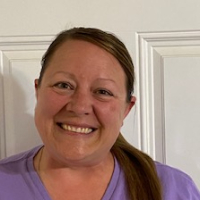
About Tina
Tina Peck is an LCSW practicing in Utah who helps people facing stress, anxiety, addiction, grief, and trauma. She works with clients concerned about self-esteem, relationship struggles, career strain, and coping with life changes, including responses to natural or human-caused disaster.
Tina uses clear, goal-focused methods in sessions. She draws on cognitive behavioral techniques to help people notice and change unhelpful thoughts. She also uses skills from dialectical behavior therapy for emotion regulation and grounding. Trauma-focused approaches are part of her work when past events continue to cause distress.
Tina has nine years of clinical experience as an LCSW. She has a long history of working alongside people with disabilities and several years helping those with addiction and survivors of domestic violence. Her background includes time in inpatient and outpatient settings with adolescents as well as work across a broad adult age range.
In sessions she keeps language simple and practical. People can expect to talk through real situations, practice concrete skills, and set small, achievable goals between visits. Progress is paced to each person’s needs and circumstances.
For someone juggling day-to-day demands, Tina aims to make therapy fit into life rather than add more strain. She asks questions, offers tools, and adjusts the plan as needs change. To begin, a short matching form helps connect people to the right next steps.
How Tina Uses CBT, DBT, and Trauma-Focused Work Online
Tina often uses cognitive behavioral therapy to help people spot unhelpful thoughts and try different responses. CBT breaks problems into thoughts, feelings, and actions so people can test small changes and track what helps.She also draws on dialectical behavior therapy tools to teach emotion regulation, distress tolerance, and clearer communication. DBT-style skills can be useful when reactions feel intense or when someone struggles with impulsivity and relationships.
Trauma-focused therapy is used when past events continue to cause strong reactions. This approach focuses on helping people reduce the ways trauma affects daily life, using pacing and grounding strategies suited to each person.
Choosing the right approach is a collaborative process. The therapist will discuss goals, preferences, and symptoms, then adjust methods as progress is made. Clients are part of deciding what feels most useful and practical.
Confirm current session options before booking, as formats are not listed here. Online therapy can make it easier to fit sessions into busy days, reduce travel time, and allow for shorter check-ins when needed. It can also make it simpler to continue work after a major life event, while the therapist and client adapt methods to what works in daily life.
Areas of expertise
Also works with
Additional focus areas
Therapeutic approaches
Experience
9+ years
Credentials
Utah
Languages
English
Frequently asked questions
What concerns does Tina commonly address?
Tina works with stress, anxiety, depression, addictions, trauma and abuse, relationship and family problems, grief, and coping with life changes, including coping with natural or human-caused disaster.
What is her general therapy style?
Sessions are practical and straightforward, focusing on talking through problems, building skills, and setting small goals to try between visits.
What experience does she bring to sessions?
She has nine years as an LCSW and additional experience working with people with disabilities, addiction, adolescent inpatient and outpatient care, and survivors of domestic violence.
Where is she licensed and practicing?
She is an LCSW licensed in Utah and practices there.
Which languages are supported for sessions?
Sessions are offered in English.
Can people outside the U.S. work with her?
International clients are not currently accepted.
How does billing and cost work?
Cost varies with location and therapist availability; sessions use a subscription that can be canceled at any time.
How do I begin a consultation or session?
Click the Start Therapy button, complete a short matching questionnaire, and schedule according to therapist availability.