
Lowell Wallace
LCSWMississippi · 12 yrs exp
Resilient, practical support for life's disruptions
Stress, Anxiety · Addictions · Anger · Self esteem · +12 more
Read profileTherapist listings are provided by BetterHelp. We will earn a commission at no additional cost to you if you use our links to purchase.
This page gathers profiles listed in the Mississippi location to help you compare therapists who note disaster, crisis and recovery among their focus areas. Browse profiles to compare approaches, academic degrees, professional credentials and languages so you can choose which profiles to read in depth.
Mississippi · 12 yrs exp
Resilient, practical support for life's disruptions
Stress, Anxiety · Addictions · Anger · Self esteem · +12 more
Read profile
Mississippi · 36 yrs exp
Practical, steady support for lifechanges
Family · Parenting · Anger · Self esteem · +11 more
Read profile
Mississippi · 26 yrs exp
Compassionate counselor helping rebuild daily life
Stress, Anxiety · Relationship · Family · Trauma and abuse · +10 more
Read profile
Mississippi · 25 yrs exp
Caring guidance for life’s hard turns
Stress, Anxiety · Relationship · Family · Grief · +11 more
Read profile
Mississippi · 51 yrs exp
Experienced social worker for life stressors
Stress, Anxiety · Relationship · Self esteem · Depression · +15 more
Read profile
Mississippi · 20 yrs exp
Calm, practical support for life changes
Stress, Anxiety · Relationship · Trauma and abuse · Anger · +10 more
Read profile
Mississippi · 15 yrs exp
Direct, hopeful therapy for practical change
Stress, Anxiety · Trauma and abuse · Grief · Self esteem · +12 more
Read profile
Mississippi · 20 yrs exp
Hope-focused counselor guiding practical change
Stress, Anxiety · Addictions · Trauma and abuse · Coping with life changes · +7 more
Read profile
Mississippi · 5 yrs exp
Helping people rebuild after disruption
Relationship · Anger · Self esteem · Career · +4 more
Read profile
Mississippi · 14 yrs exp
Practical support for stress and life changes
Stress, Anxiety · Relationship · Self esteem · Depression · +1 more
Read profile
Mississippi · 5 yrs exp
Compassionate, practical support for life changes
Trauma and abuse · Grief · Self esteem · Career · +1 more
Read profile
Mississippi · 15 yrs exp
Calm, practical support for life’s hard moments
Stress, Anxiety · Relationship · Trauma and abuse · Anger · +1 more
Read profile
Mississippi · 35 yrs exp
Compassionate counselor using creative approaches
Stress, Anxiety · Trauma and abuse · Grief · Depression · +11 more
Read profile
Mississippi · 14 yrs exp
Practical support for stress and trauma recovery
Stress, Anxiety · Relationship · Trauma and abuse · Depression · +7 more
Read profile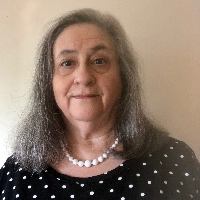
Mississippi · 23 yrs exp
Practical therapy for life change and recovery
Stress, Anxiety · Grief · Anger · Self esteem · +8 more
Read profile
Mississippi · 25 yrs exp
Experienced counselor helping people navigate change
Stress, Anxiety · Relationship · Family · Grief · +15 more
Read profile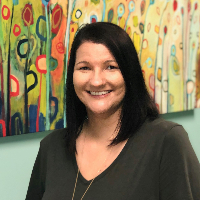
Mississippi · 16 yrs exp
Compassionate counseling focused on healing
Trauma and abuse · Self esteem · Coping with life changes · Stress, Anxiety · +7 more
Read profile
Mississippi · 18 yrs exp
Calm, practical therapy for trauma and life change
Stress, Anxiety · Trauma and abuse · Anger · Bipolar · +10 more
Read profile
Mississippi · 16 yrs exp
Compassionate, straightforward care for life’s hard moments
Stress, Anxiety · Trauma and abuse · Grief · Anger · +13 more
Read profile
Mississippi · 7 yrs exp
Compassionate, practical support for life changes
Stress, Anxiety · Family · Trauma and abuse · Anger · +8 more
Read profile
Mississippi · 7 yrs exp
Calm, practical support for everyday struggle
Stress, Anxiety · Relationship · Trauma and abuse · Self esteem · +12 more
Read profile
Mississippi · 20 yrs exp
Compassionate therapy for life’s hardest moments
Stress, Anxiety · Addictions · Trauma and abuse · Anger · +14 more
Read profile
Mississippi · 30 yrs exp
Calm, practical therapy for stressful times
Stress, Anxiety · Addictions · Trauma and abuse · Grief · +1 more
Read profile
Mississippi · 9 yrs exp
Practical counseling for trauma and life changes
Family · Trauma and abuse · Grief · Self esteem · +8 more
Read profileWhen you and the people you care about face a disaster - whether a flood, fire, storm, accident or an act of violence - normal reactions can include shock, trouble sleeping, persistent fear, overwhelming grief and a sense that everyday routines have been upended. You may notice physical symptoms such as exhaustion, changes in appetite, or a racing heart. You may also find yourself replaying events, avoiding reminders of what happened, or feeling numb. These reactions can come and go in unpredictable ways, and they do not mean you are weak or failing. They are common human responses to extraordinary stress.
In the days after an event, practical steps can help restore some sense of control. Re-establishing simple routines - regular sleep times, meals and daylight exposure - supports physical regulation. Short grounding practices such as focused breathing or orienting to your immediate surroundings can reduce moments of panic. Reaching out to trusted friends, family or community organizations can provide practical assistance with housing, supplies and paperwork while also giving emotional support. If you are unsure where to turn for immediate help, local community centers, emergency management offices or disaster relief organizations can point you to shelter, evacuation resources or financial aid. Anyone in immediate danger should contact emergency services. Online talk therapy is not emergency relief, evacuation assistance, insurance, legal or medical help; it can be part of ongoing recovery conversations but is not a substitute for urgent services.
The directory groups profiles under the listed location Mississippi so you can find professionals who note disaster, crisis and recovery among their focus areas. A listed location does not by itself prove that a profile represents an in-person office or show current permission to work in that place. You should check the individual profile and confirm whether the clinician is permitted to work with you where you live before making arrangements to work together.
Academic degrees and professional permissions are different kinds of information. Degrees such as PhD, PsyD, MD, MA or MSW describe academic achievement. They are not the same as a license, registration or professional membership that indicates legal permission to provide clinical services in a given jurisdiction. In the United States clinicians typically hold a state license that names a scope of practice. In the United Kingdom and Australia clinicians may list a professional registration or membership with a recognized body. Profiles may show both degrees and form of permission to practice. A degree alone does not establish current permission to practice where you live, so ask directly about credentials and the areas where the professional is authorized to work.
Also note that listing disaster-related focus does not automatically mean a professional treats children, couples or families. If you are seeking care for a child, for couples, or for family therapy, discuss those needs specifically when you contact a profile you are considering.
When you review profiles, you may want to prepare a few targeted questions to understand how a professional works with people affected by disaster. You can ask how they describe their work with trauma-related or disaster-related distress, and whether they have experience supporting people after floods, fires, or community violence. Ask how they typically address sleep disruption, intrusive memories, or ongoing fear in early sessions, and whether they work with practical rebuilding of routines and daily tasks alongside emotional processing.
Ask what kinds of approaches are used and what that looks like in practice. For example, you might ask how cognitive or narrative strategies are balanced with supportive coping skills, or how exposure-related strategies are adapted when safety remains a concern. You can ask whether they use particular approaches by name - noting that a profile may list certain approaches but that this listing is not evidence of formal certification. It is acceptable to say something like "I see you list EMDR among your approaches - can you describe how you use that approach with disaster-related distress?" This invites an explanation of how the approach is applied rather than assuming training or outcomes.
Other useful questions include who the clinician typically works with - adults, adolescents, first responders, people displaced by disaster - and whether they collaborate with local services such as case management, housing supports or medical providers. Ask about session length, how goals are set, and what you might expect in the first few meetings. Clear, specific questions help you compare profiles on the basis of fit rather than advertising language.
If you are considering online conversations as part of recovery, discuss practical and safety considerations up front. Ask which technologies the professional uses, what happens if a connection drops, and whether there is a phone backup plan. You should also ask how your information is handled and what steps are taken to protect your well-being during and between sessions. Because laws and rules vary by place, confirm that the clinician has permission to work with you in Mississippi if you are located there, or clarify the applicable permissions if you are elsewhere. This is especially important when clinicians and clients are in different states or countries.
Talk about crisis planning before you begin. Ask how the clinician handles emergencies or acute distress between sessions and whether they can help you identify local emergency resources and hotlines in your area. Be explicit that online talk therapy is not emergency relief, evacuation assistance, insurance, legal or medical advice. If you are experiencing thoughts of harming yourself or others, or you are in immediate danger, contact emergency services right away. Having a plan for referrals to local services, shelters, medical care and legal help can make online sessions more effective at addressing ongoing needs.
When comparing profiles, look for information that aligns with your situation and preferences. Focus areas may be listed broadly as disaster or crisis recovery, or they may be more specific about working with survivors of floods, fires or interpersonal violence. Consider whether a profile mentions experience with the kinds of losses you faced - for example, loss of home, community disruption, or work-related impacts - and whether the professional notes experience supporting people through rebuilding routine and practical tasks.
Language matters when you are seeking emotional support. Profiles that list languages spoken can help you find someone who can work in the language you prefer. Compare academic degrees and the form of professional permission to practice - degrees such as MA, MSW, PhD or MD tell you about training, while a license, registration or membership indicates the legal or professional framework under which the person works. Remember that the directory includes professionals in the United States, the United Kingdom and Australia; the terminology for credentials may differ by country, so ask for clarification when needed.
Consider style and approach as part of fit. Some people do better with a conversational, exploratory style that focuses on meaning and narrative, while others prefer more directive strategies that focus on symptom management and routines. Profiles may list approaches that provide clues about style, such as cognitive strategies, trauma-focused approaches, mindfulness or narrative work. Language like "therapists who list EMDR among their approaches" signals a specific approach listed on profiles but does not prove training or outcomes. If you want more detail, ask how the clinician adapts their style to your priorities and whether they include practical planning alongside emotional work. Always check the individual profile and confirm that the practitioner has permission to work with you where you live before arranging care.
Addictions
2008 therapists
Anger
2421 therapists
Chronic Illness
1527 therapists
Chronic Pain
1527 therapists
Coping After Disaster
3796 therapists
Depression
3371 therapists
Disability
1527 therapists
Dissociation
1211 therapists
Domestic Violence
1958 therapists
Grief
2931 therapists
Guilt and Shame
3177 therapists
Isolation / Loneliness
3067 therapists
Mood Disorders
2491 therapists
Panic Disorder and Panic Attacks
2488 therapists
Post-Traumatic Stress
2945 therapists
Self Esteem
3234 therapists
Sleeping Disorders
1214 therapists
Stress & Anxiety
3625 therapists
Trauma and Abuse
3149 therapists
Traumatic Brain Injury
515 therapists
Aging and Geriatric Issues
1860 therapists
Career
2261 therapists
Caregiver Issues and Stress
2696 therapists
Communication Problems
3256 therapists
Compassion Fatigue
2083 therapists
Coping with Life Changes
3132 therapists
Family
2691 therapists
First Responder Issues
1702 therapists
Hospice and End-of-Life Counseling
1348 therapists
Life Purpose
3165 therapists
Money and Financial Issues
1613 therapists
Parenting
2313 therapists
Relationship
3042 therapists
Workplace Issues
2774 therapists